
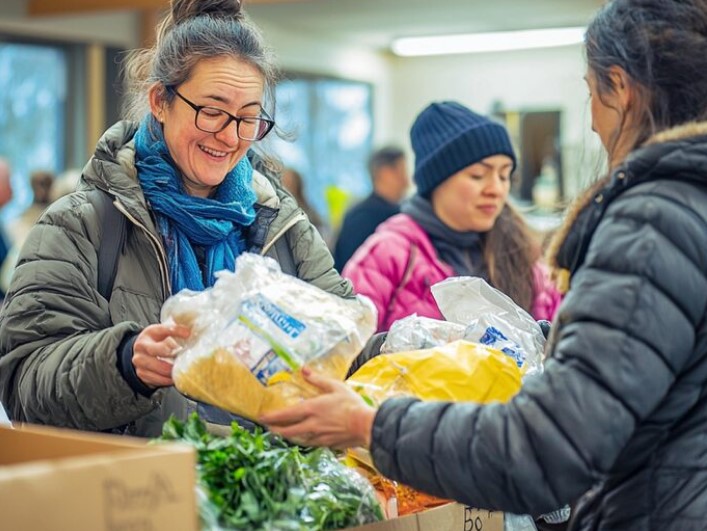
Food is more than a basic necessity. It brings families together, provides comfort during difficult times, and creates a sense of stability in everyday life. However, many households face challenges when it comes to maintaining a consistent supply of nutritious meals. Rising living expenses, unexpected financial difficulties, and changing family circumstances can make grocery shopping stressful. In such situations, community generosity becomes an important source of support.
The growing awareness surrounding food donation in Denver highlights the importance of neighbors helping neighbors. People may significantly improve the lives of families facing food insecurity through volunteer work, philanthropic gifts, and local food assistance programs.
The Importance of Food Donations
Food insecurity affects people from different backgrounds and circumstances. Some families struggle with temporary financial setbacks, while others experience ongoing difficulties balancing essential expenses such as housing, transportation, healthcare, and groceries.
Food donations help reduce these pressures by providing access to everyday necessities. Contributions of nutritious groceries, pantry staples, and fresh produce can help households prepare meals without sacrificing other important financial responsibilities.
Beyond addressing immediate hunger, food assistance can create a sense of reassurance. Knowing that community resources are available during challenging periods allows families to focus on improving their circumstances and maintaining stability.
Community food programs also demonstrate that meaningful support does not always require extraordinary resources. Even modest contributions can become valuable when combined with the generosity of other residents.
Strengthening Denver Communities Through Generosity
A strong community is built on cooperation, compassion, and a shared commitment to helping others. Food donation initiatives bring these values into everyday practice by connecting people who want to contribute with households that need assistance.
Local residents, businesses, schools, and community organizations can all participate in supporting food assistance efforts. Grocery collection campaigns, workplace donation programs, and neighborhood food drives encourage collective responsibility.
Many organizations help connect community generosity with practical assistance for individuals and families facing difficult circumstances. Their work reflects the importance of providing accessible support while encouraging local involvement.
When people participate in food donation programs, they contribute to something larger than an individual act of charity. They help establish a supportive environment where community members recognize shared challenges and work together toward meaningful solutions.
Choosing Food Donations That Make a Difference
Thoughtful giving can improve the effectiveness of community food assistance programs. While many people associate donations with canned goods, food pantries often benefit from a wider variety of nutritious and practical items.
Shelf-stable products such as rice, pasta, beans, oatmeal, and canned vegetables can provide useful ingredients for everyday meals. Protein sources, cooking essentials, and other frequently requested groceries may also help families maintain balanced diets.
Fresh produce can be valuable when organizations have the appropriate facilities and distribution arrangements. Donors should contact their chosen organization to understand current needs, accepted products, and donation guidelines.
Checking expiration dates, ensuring packaging remains intact, and selecting appropriate food items can help organizations distribute donations efficiently.
The goal should be to provide food that families can conveniently store, prepare, and enjoy while respecting their dietary preferences and household circumstances.
Encouraging Businesses and Families to Participate
Community giving becomes more powerful when participation extends beyond individual donations. Denver businesses can organize employee food drives, encourage workplace volunteering, or collaborate with local charitable organizations.
Schools can introduce food collection activities that teach students about compassion, responsibility, and the importance of supporting their neighbors. Families can also make giving part of their regular routines by setting aside suitable groceries or volunteering together.
These activities encourage conversations about food insecurity and demonstrate that helping others can become a natural part of community life.
Regular participation is particularly valuable because the need for food assistance continues throughout the year, not only during holidays or special charitable campaigns.
Creating Hope Beyond the Dinner Table
The benefits of food assistance extend beyond the meals themselves. Receiving groceries during a difficult period may help families redirect limited resources toward rent, utilities, transportation, or other essential expenses.
Food support can also reduce some of the emotional pressure associated with financial uncertainty. Parents may experience greater peace of mind when they have ingredients available to prepare meals for their children.
Importantly, effective food assistance should preserve dignity and respect. Welcoming environments, thoughtful distribution practices, and compassionate communication help individuals feel supported rather than judged.
Every donation represents an opportunity to strengthen human connections and remind people that they are not facing difficult circumstances alone.
Conclusion
Making a meaningful difference does not always require a major financial commitment. Sometimes, it begins with sharing groceries, contributing to a community food drive, or volunteering a few hours to support a local organization.
By supporting food donation in Denver, residents and businesses can help address immediate nutritional needs while encouraging a stronger culture of generosity. Each contribution plays a role in helping households navigate challenges with greater confidence and dignity.
When a community chooses to give food, it also shares hope, compassion, and the belief that everyone deserves access to essential nourishment.