
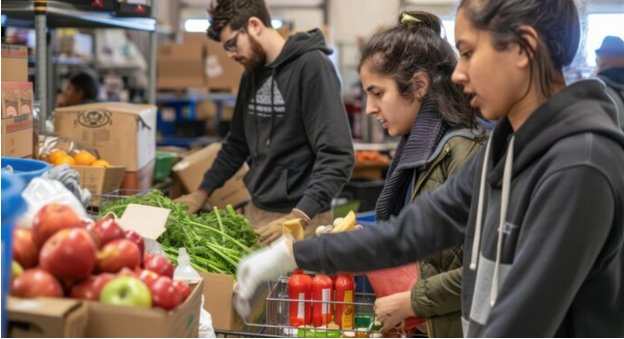
A grocery trip today looks very different from what it did a decade ago. While the purpose remains the same, buying food for the household, the way Canadians prepare for shopping has evolved. Digital tools, changing food prices, busier lifestyles, and greater access to information have encouraged shoppers to become more deliberate in their decisions.
Instead of walking into a grocery store and deciding what to buy aisle by aisle, many people now begin planning several days. They review household supplies, organize meal ideas, and look for current promotions before leaving home. These changes haven’t completely transformed grocery shopping, but they have made preparation just as important as the shopping trip itself.
From Paper Lists to Digital Planning
For many years, grocery shopping started with a handwritten list attached to the refrigerator. While plenty of households still use paper lists, digital planning has become increasingly common.
Today, shoppers often create grocery lists on their phones, share them with family members, and update them throughout the week. Meal planning apps, online recipes, and digital grocery flyers have also become part of the planning process.
Having quick access to current promotions makes it easier to decide what to buy before arriving at the store rather than making every decision while standing in front of the shelf.
Weekly Flyers Continue to Play an Important Role
Although shopping habits have changed, weekly grocery flyers remain one of the most useful planning resources available.
Rather than viewing flyers as advertisements, many shoppers now use them to organize their purchases. Reviewing the latest No Frills Flyer before creating a shopping list helps identify promotions on products that are already part of the household’s routine.
Instead of buying items simply because they are discounted, experienced shoppers use flyer information to support decisions they were already planning to make.
Shoppers Compare More Than Prices
Price is still an important factor, but today’s grocery shoppers often evaluate several details before making a purchase.
Many people now compare:
- Product quality
- Package size
- Nutrition information
- Country of origin
- Unit price
- Shelf life
This broader approach helps households choose products that provide better overall value instead of focusing only on the lowest shelf price.
Convenience Has Become More Important
Modern lifestyles have changed how people think about convenience.
Pre-cut vegetables, frozen fruit, ready-to-cook proteins, and meal-prep ingredients have become popular because they save time without necessarily replacing home cooking.
Rather than judging convenience foods as unnecessary, many shoppers evaluate whether they fit their schedule and reduce food waste.
Choosing products that suit everyday routines often provides better long-term value than purchasing ingredients that never get used.
Comparing Retailers Is Easier Than Ever
Years ago, comparing grocery prices usually meant visiting several stores or collecting printed flyers.
Today, shoppers can review promotions from multiple retailers in just a few minutes. Looking through the Food Basics Flyer, for example, allows households to compare selected grocery categories before deciding where to shop.
This convenience has encouraged more informed purchasing decisions and reduced the need to rely on assumptions about which retailer always offers the best value.
Planning Has Replaced Impulse Shopping
One of the biggest changes in grocery shopping is the growing emphasis on planning.
Many households now:
- Check pantry supplies before shopping.
- Create weekly meal plans.
- Compare grocery promotions.
- Buy seasonal produce more often.
- Prepare ingredients ahead of time.
These habits help reduce unnecessary purchases while making grocery trips more organized.
Planning also creates greater flexibility because shoppers can adjust their meals according to current promotions instead of buying the same ingredients every week.
Small Habits Create Better Results
Although grocery shopping has evolved, the principles of smart shopping remain surprisingly consistent.
Households that plan, compare products carefully, store groceries correctly, and use ingredients efficiently often experience better value over time.
These habits don’t require complicated budgeting systems. Instead, they encourage thoughtful purchasing decisions that become easier with practice.
Looking Ahead
Grocery shopping will continue to evolve as technology, consumer preferences, and retail services change. Digital tools may become more advanced, but the fundamentals of good shopping are unlikely to disappear.
Planning, comparing options, and buying according to household needs will remain valuable habits regardless of how people choose to shop in the future.
Conclusion
The way Canadians shop for groceries has changed, but the goal remains the same: bringing home quality food that fits both household needs and available budgets. Better planning, greater access to information, and more thoughtful purchasing decisions have all contributed to this shift.
Whether you’re reviewing the latest No Frills Flyer before building a shopping list or checking the Food Basics Flyer to compare current promotions, today’s shopping tools make it easier than ever to prepare before visiting the store. Combined with practical everyday habits, they help shoppers make confident decisions and get lasting value from every grocery trip.